
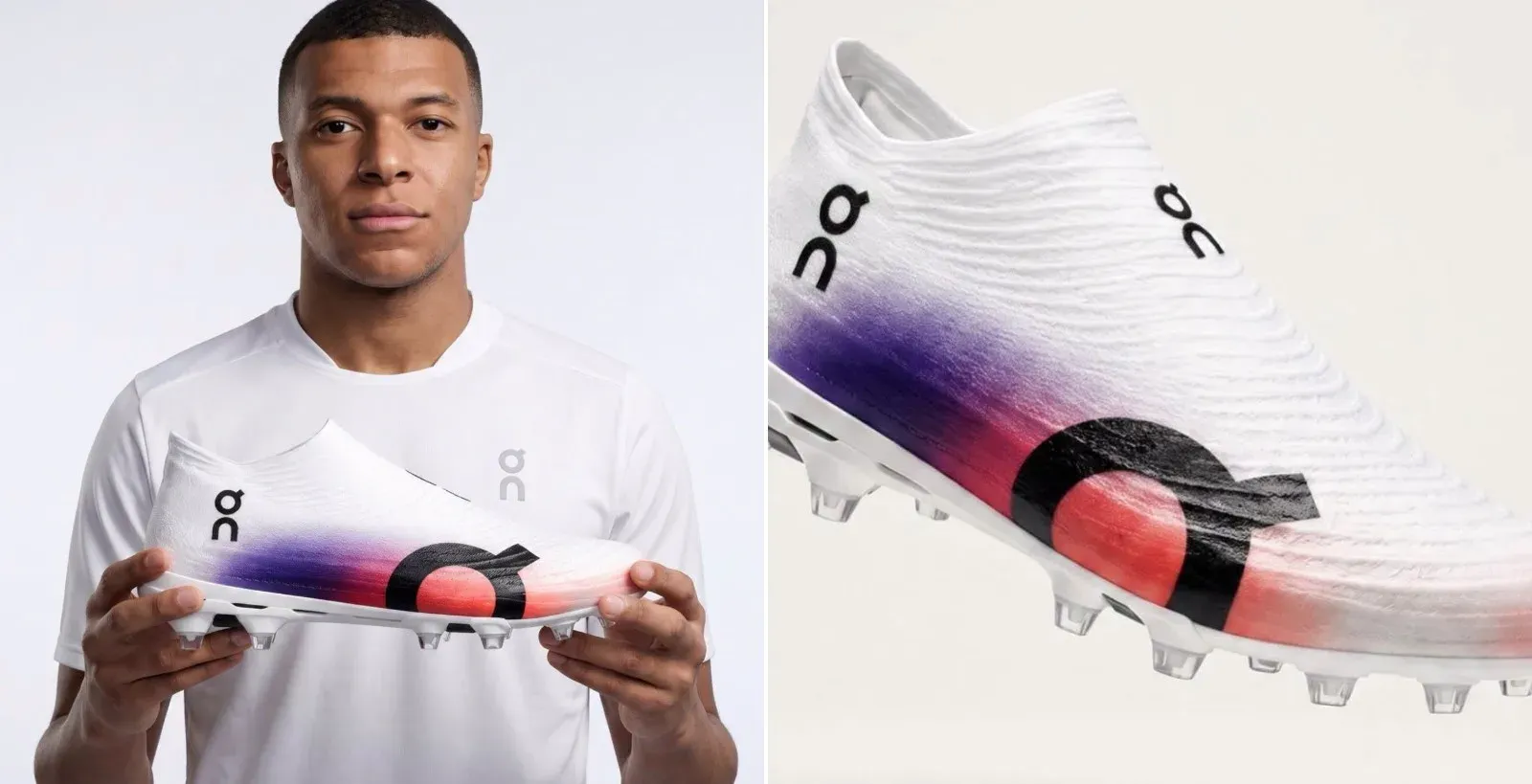
Kylian Mbappé has left the brand he wore since childhood to join On. The Swiss company made its name in running, then moved into tennis with Roger Federer. Now it wants a place in football. The signing has already delivered the photograph seen around the world. The more interesting question begins after the announcement: What can they build together that will still matter five years from now?
I come to that question from two sides of the table. I spent years on the professional tennis tour, reached world No. 10 and won nine singles titles. I knew sponsorship as an athlete. Today, as CEO of Summa Sports, I help other athletes develop their careers and commercial opportunities. I sit across from brands and understand what they need. I also know what it means for a player to put a piece of his or her story in someone else’s hands.
That is why the Mbappé deal interests me. I think he could help change On’s place in football in a way comparable to what Federer helped it do in tennis. That is my prediction, not an accomplished fact. In a market dominated by established names, one of the best players in the world can get a new brand into the conversation. Staying there will depend on what the partnership contributes to the game.
Federer helped develop On products, including a competition tennis shoe, and took part in decisions beyond lending his image. As On enters football, the company says Mbappé will work with its product teams to develop and test footwear and apparel. Thierry Henry has joined as director of football. There is athlete knowledge here, a business bet and a plan to become part of football culture. Each part will have to stand up to scrutiny on the pitch, in stores and among people who actually play the sport.
When I was competing, a sponsor could give me resources, stability and more time to focus on tennis. In return, the company wanted my image, my results and an association with my name that extended beyond the final match of a tournament. The best relationships understood where I was in my career and what I could represent honestly. An athlete needs a partner, not just a payment.
Now I also see the pressure on brands. They want to join conversations people care about, reach audiences with a deep attachment to sport and show a return on their investment. Fair enough. Trouble begins when the deal is reduced to follower counts, camera time and logo exposure. Those figures can tell you how much attention you bought. They tell you much less about the relationship you might build.
There is a third party to every negotiation who rarely gets a seat at the table: the fan. A company can sign an athlete. It cannot sign that athlete’s supporters. Their trust was earned through matches, losses, comebacks and years of showing up. It is not an asset that automatically transfers with a contract.

Fans can, however, welcome a brand that understands their world. Nielsen’s research into football followers across the United States, Mexico and Canada found that 73% viewed sponsors favorably and 61% said they chose sponsor brands over competitors. Those survey responses are not a promise that every deal will work. They show that the door is open. The question is what a brand does once it walks through.
The answer depends on what each partner brings. For a sportswear company, a player who helps make a better product can be more valuable than one who appears only in an ad. Another business might make participation more accessible, help overlooked athletes find an audience or improve how supporters experience the sport. None of these ideas works on a slide alone. You have to listen to the athlete, understand the fans and build around something the company can genuinely deliver.
At Summa, we work where those interests meet. We support athletes, develop commercial partnerships and create projects with brands and sports organizations. Some of our most important work happens before a sponsorship is announced: finding out whether the partners’ goals fit and what they will be able to do together once the papers are signed. That judgment includes recognizing when an attractive number comes with the wrong deal for an athlete.
Consider our work with tennis player Tomás Etcheverry. When Summa announced his partnership with Pont, it pointed to his sustained performance and the fit between his sporting trajectory and the brand’s aims. This is a very different scale from Mbappé’s deal. The principle holds: a partnership has a better chance of lasting when it answers real needs on both sides and leads to work beyond the launch.
How will we know whether On and Mbappé are changing football? I would watch what happens next. Does the product improve because the player helped make it? Do other footballers want to wear it? Does the brand become relevant to communities that had no reason to think about it before? Does the relationship keep growing after the excitement of the signing fades? I would watch the commercial results, too. Engagement matters when it changes behavior, not when it sounds good in a presentation.
Sport gives brands a rare opportunity: people who already feel part of a story. I experienced that relationship on the court. Today I work to help athletes and companies build something worthy of it. The agreement opens the door. What the partners do for the game determines whether they get to stay.